
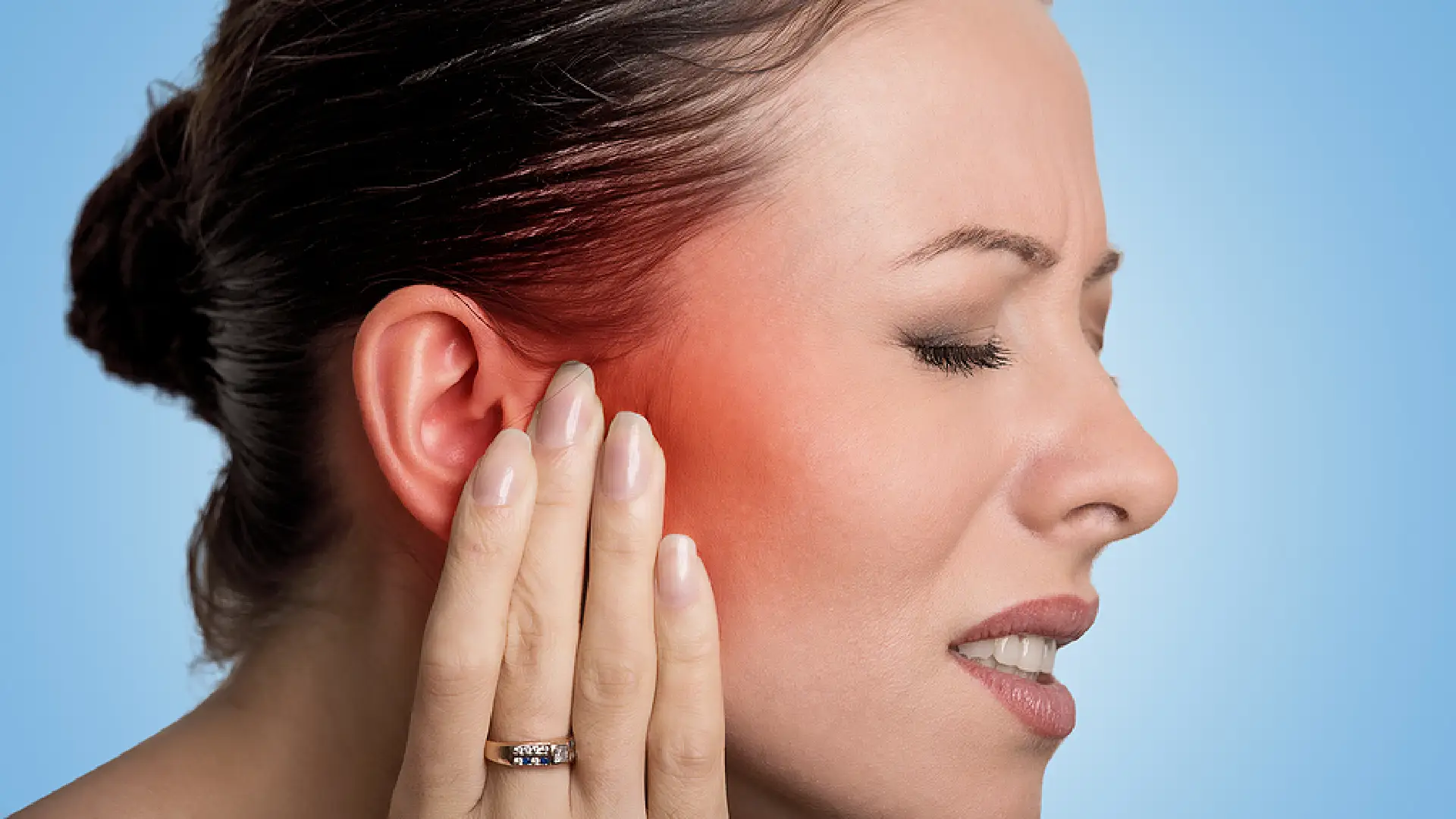
Ear pain following an accident can seem minor at first, but it often signals something more serious than a simple bruise. The ears contain delicate structures, including the eardrum, middle ear bones, and inner ear, that help with hearing and balance, and trauma can injure these parts.
Ignoring discomfort can allow small issues to worsen, potentially leading to long-term complications. Prompt attention helps identify internal injuries, eardrum damage, or fluid buildup that may not be immediately obvious.
Recognizing the Signs of Serious Injury
Ear pain after an accident can present in many ways. Sharp pain, ringing, or reduced hearing may indicate eardrum perforation or other damage, and the fluid behind the eardrum is usually related to infection or barotrauma rather than trauma alone. Even if the pain seems mild, underlying damage could affect hearing or balance in subtle ways. Early recognition allows for timely intervention, reducing the risk of permanent complications.
Other warning signs include dizziness, nausea, or bleeding from the ear. These symptoms often indicate more than surface-level trauma and should not be ignored. Prompt evaluation by a hearing health professional helps determine the extent of the injury and guides the right treatment plan.
Potential Causes of Post-Accident Ear Pain
Physical trauma can damage different parts of the ear. A blow to the head, sudden pressure changes, or whiplash may lead to eardrum perforation, middle ear injuries, or inner ear disruption. A moderate impact can cause eardrum rupture, bleeding in the ear canal, and inner ear damage. These issues often worsen if left untreated, making early assessment critical.
Accidents that perforate the eardrum or introduce debris can increase the risk of infection. A medical evaluation can determine if antibiotic treatment is needed. Addressing these causes quickly prevents additional complications and supports faster recovery.
Long-Term Risks of Ignoring Ear Pain
Delaying treatment after ear trauma can lead to long-term problems. Hearing loss may become permanent if the eardrum or inner ear structures are damaged and left untreated. Persistent tinnitus, chronic dizziness, or recurring infections can interfere with daily activities and overall quality of life.
Some injuries that appear minor may hide eardrum perforations or inner ear damage detectable only with professional tests. Untreated fluid buildup or internal pressure can damage delicate hair cells within the cochlea, which play an important role in hearing. Seeking professional assessment ensures that minor issues do not turn into lifelong concerns.
What a Professional Evaluation Involves
A thorough examination following an accident typically includes a visual inspection of the ear, hearing tests, and sometimes imaging to assess internal structures. Professionals check for perforations, fluid, or nerve-related damage that may not be immediately noticeable. This comprehensive approach identifies hidden issues and informs the best treatment strategies.
Testing may also reveal balance problems or subtle hearing changes. Identifying these early allows for interventions such as specialized ear drops, pressure management, or temporary hearing support or specific treatment depending on injury severity. Regular monitoring ensures the ear heals properly and prevents further complications.
Steps to Take After an Accident
If ear pain occurs after trauma, scheduling an evaluation as soon as possible is the safest approach. Avoid inserting objects into the ear or attempting home remedies that could worsen injury. Protecting the ear from water and loud sounds can also prevent additional stress while waiting for assessment.
Following a professional’s recommendations, whether they include medication, monitoring, or protective measures, supports healing and preserves hearing. Prompt attention reassures that recovery progresses safely and reduces the risk of long-term effects from seemingly minor trauma.
Seeking Support and Care
Ear pain after an accident is a signal that should never be ignored. Professional care ensures accurate diagnosis and effective treatment, whether it involves repairing eardrum damage, treating an infection, or addressing inner ear issues. Early intervention restores comfort and protects hearing and balance.
Scheduling an appointment with a hearing health professional provides guidance on recovery, monitoring, and protective strategies for the future. Taking action quickly after trauma ensures that the ears heal properly and minimizes the likelihood of ongoing complications.